How Often Should Car Park Line Marking Be Redone? A WA Contractor's Guide
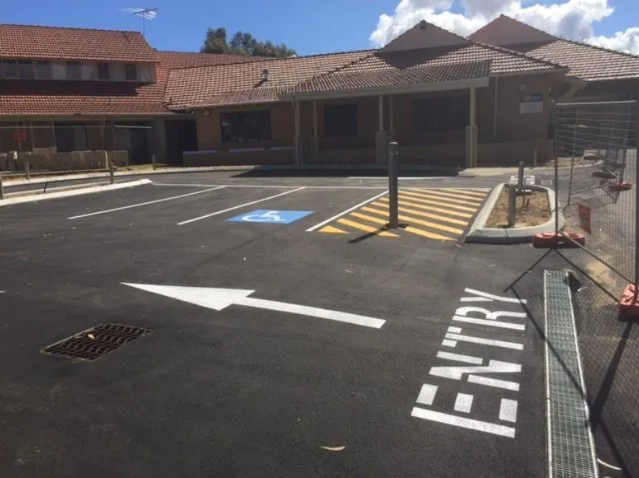
Car park line marking in Henderson, WA, fades faster than many property managers expect. Knowing when to remark protects both safety and compliance. This guide covers the key factors that wear down pavement markings in Western Australia's harsh climate, the standards that set the compliance threshold, and a practical repainting schedule by facility type.
Why Car Park Line Marking Fades Faster in Western Australia
WA's climate is one of the toughest environments for pavement paint in the country. Henderson sits in the southern Perth metro corridor, home to industrial businesses, fabrication yards, marine trades, and heavy vehicle traffic along the Cockburn Coast. That combination of relentless UV exposure, summer heat, and high vehicle movement means car park line marking can deteriorate well ahead of schedule.
UV exposure is the biggest driver of degradation in Australia, and WA car parks can see 20 to 30% shorter lifespans compared to southern Victoria or Tasmania. Add the volume of heavy vehicles common to Henderson's industrial precinct, and lines may fade significantly faster than general metro averages suggest.
Three factors most often determine how quickly markings wear:
▸ Traffic volume: High daily vehicle movements grind paint off faster, particularly in entry aisles and turning lanes.
▸ Surface type: Asphalt absorbs heat and causes paint to break down quicker than concrete in exposed outdoor areas.
▸ Paint quality and application: Low-quality or improperly applied paint leads to rapid fading. Choosing high-quality pavement marking solutions is key to durability.
What Does AS/NZS 2890.1 Actually Require?
AS/NZS 2890.1 is the compliance benchmark for all off-street car parking in Australia, with AS/NZS 2890.6 covering accessible bays. The standard does not prescribe a fixed repainting interval. Instead, it requires that markings remain clearly visible at all times.
In Western Australia, line marking must also meet Main Roads WA standards where applicable, and most Perth metropolitan councils embed AS/NZS 2890.1 requirements into local planning schemes, meaning non-compliant layouts can lead to Development Application rejection.
Repaint when lines no longer reflect headlights clearly at night, white has faded to grey, line width has worn to 60 mm or less from the standard 100 mm, paint is flaking or peeling, or drivers start creating their own bay boundaries.
Schedule inspections at least annually. The goal is to repaint before markings become non-compliant through wear.
Typical Repainting Intervals by Facility Type
General benchmarks help Henderson property managers plan budgets and maintenance cycles.
Retail and High-Traffic Car Parks
A high-volume outdoor car park exposed to full sun may need remarking within 18 to 24 months, particularly in WA conditions where UV levels accelerate paint breakdown.
Office and Commercial Car Parks
Office car parks with medium, weekday-heavy traffic can typically plan for a 24 to 30 month cycle using waterborne paint. Basement car parks may stretch to 36 or more months.
Industrial and Warehouse Car Parks
Henderson's industrial sites often involve heavy vehicles, forklifts, and oil contamination, all of which damage markings quickly. Epoxy in forklift zones may last six to eight years; thermoplastic on truck paths around five to six years. Regular degreasing is important, as oil breaks down paint faster than traffic alone.
Schools and Council Facilities
These facilities typically manage on a two to three year cycle. Accessible bay markings should be inspected annually given stricter visibility requirements under AS/NZS 2890.6.
Property Manager's Inspection Checklist
Use this checklist during your annual walkthrough to assess whether a remark is due:
▸ Lines appear grey rather than bright white or yellow.
▸ Bay boundaries are unclear and drivers are parking inconsistently.
▸ Lines no longer reflect headlights clearly after dark.
▸ Line width appears narrower than 80 mm in high-wear areas.
▸ Accessible bay hatching or shared zones are no longer clearly visible.
▸ The car park has been resurfaced since the last marking was applied.
▸ It has been more than 12 months since the last formal inspection.
If two or more of these apply, book a professional assessment before markings fall out of compliance.
Get Your Car Park Remarked the Right Way
Staying on top of car park line marking schedules protects your site's compliance with AS/NZS 2890.1, keeps drivers and pedestrians safe, and avoids liability exposure from faded or missing markings. Pelican Line Marking provides professional line marking services across Henderson and the greater Perth metro area, working to Australian standards with quality materials built for WA conditions.
To arrange a free on-site consultation, visit the Henderson line marking services page or contact the team directly. Call 0401 741 196 to book your assessment today.
How Often Should Car Park Lines Be Repainted in WA?
There is no fixed legal interval, but WA's high UV environment means most outdoor car parks should be inspected at least annually. High-traffic retail sites may need remarking every 18 to 24 months, while lower-traffic or sheltered facilities may manage two to three years between repaints. The trigger is always visibility, not a calendar date.
What Happens If Car Park Line Marking Is Non-Compliant?
Non-compliant markings create safety hazards, expose property managers to liability, and can attract council enforcement action under local planning schemes. Accessible bay markings are a particular risk, as AS/NZS 2890.6 requires these to be permanently and clearly marked.
Does Surface Type Affect How Long Line Marking Lasts?
Yes. Asphalt surfaces in open, sun-exposed car parks show faster paint degradation than concrete, particularly in WA's climate. Covered or basement car parks generally achieve longer marking lifespans regardless of the paint product used.